Choosing the right sofa is an
important part of creating a comfortable and welcoming living room. A sofa is
not just a place to sit; it is where family members relax, guests gather and
everyday moments become special memories. However, finding furniture that
matches your room size, lifestyle and interior design can sometimes be
challenging. This is where modular sofa designs offer a practical solution.
Unlike traditional sofas that come in
fixed shapes and sizes, modular sofas consist of separate sections that can be
arranged in different configurations. These sections can be combined, separated
or repositioned according to your available space and seating requirements.
Whether you have a compact apartment or a spacious living room, modular
furniture gives you greater flexibility.
Modern homeowners are increasingly
interested in modular sofa designs because they combine functionality,
contemporary styling and adaptable seating arrangements. Before choosing one,
it is important to understand the available configurations, materials,
dimensions and features.
This guide explains how to select a
modular sofa that complements your home while providing long-term comfort and
convenience.
1. What Are Modular Sofas?
A modular sofa is made up of
individual seating units that connect to create a complete sofa. Each unit
serves a specific purpose, such as providing a regular seat, corner section,
chaise lounge or extended seating area.
The biggest advantage of modular sofa
designs is that homeowners can customise the arrangement according to their
requirements. Instead of purchasing a fixed three-seater or L-shaped sofa, you
can select different modules and create a layout that suits your room.
For example, a combination of two
seating sections and a corner unit can create an L-shaped arrangement. Adding
another section may transform it into a larger U-shaped sofa.
This flexibility makes modular sofas
suitable for changing homes, growing families and different interior layouts.
2. Understand Your Living Room Layout
Before exploring different modular
sofa designs, measure your living room carefully. A sofa that looks attractive
in a showroom may not fit comfortably in your home.
Start by measuring the available floor
space, wall lengths, doorways and pathways. Consider the position of windows,
television units, coffee tables and other furniture.
Keep these points in mind:
●
Measure the length and width of
the available seating area.
●
Leave enough space for people
to walk around the sofa.
●
Check whether the sofa blocks
doors, windows or cupboards.
●
Consider the distance between
the sofa and television.
●
Make sure there is enough room
to move individual modules.
A well-planned layout improves both
appearance and everyday convenience. Avoid choosing a large configuration
simply because it offers more seating. The right arrangement should balance
comfort with sufficient open space.
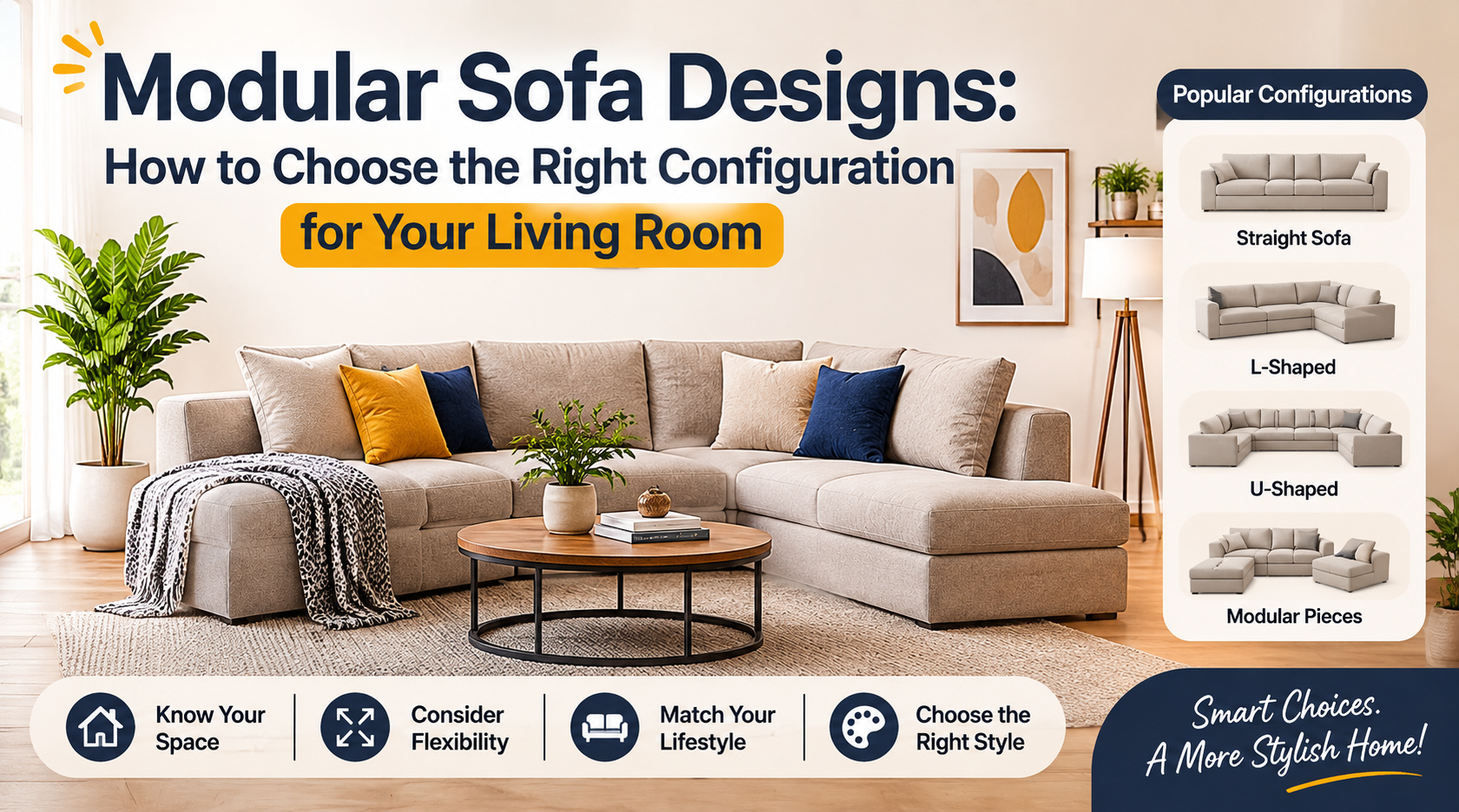
3. Explore Different Modular Sofa Configurations
One of the main reasons people choose
modular sofa designs is the variety of available configurations. Each
arrangement offers different benefits depending on the room and seating
requirements.
L-Shaped Modular Sofa
An L-shaped sofa is suitable for
living rooms where you want to use a corner effectively. It provides generous
seating without occupying the entire room.
This configuration works well in
apartments, family living rooms and open-plan spaces. It can also help define
the seating area in a larger room.
U-Shaped Modular Sofa
A U-shaped arrangement creates a
spacious seating area and encourages conversation. It is particularly useful
for large families and homes that frequently welcome guests.
Before selecting this arrangement,
make sure your living room has sufficient space.
Straight Modular Sofa
A straight configuration is a
practical option for smaller rooms. It offers a clean appearance and can be
positioned against a wall to save space.
It is also easier to combine with
accent chairs or separate seating units.
Modular Sofa with Chaise Lounge
A chaise lounge provides an extended
area where you can stretch your legs while reading, watching television or
relaxing.
This arrangement is ideal for
homeowners who want additional lounging comfort without selecting an oversized
sofa.
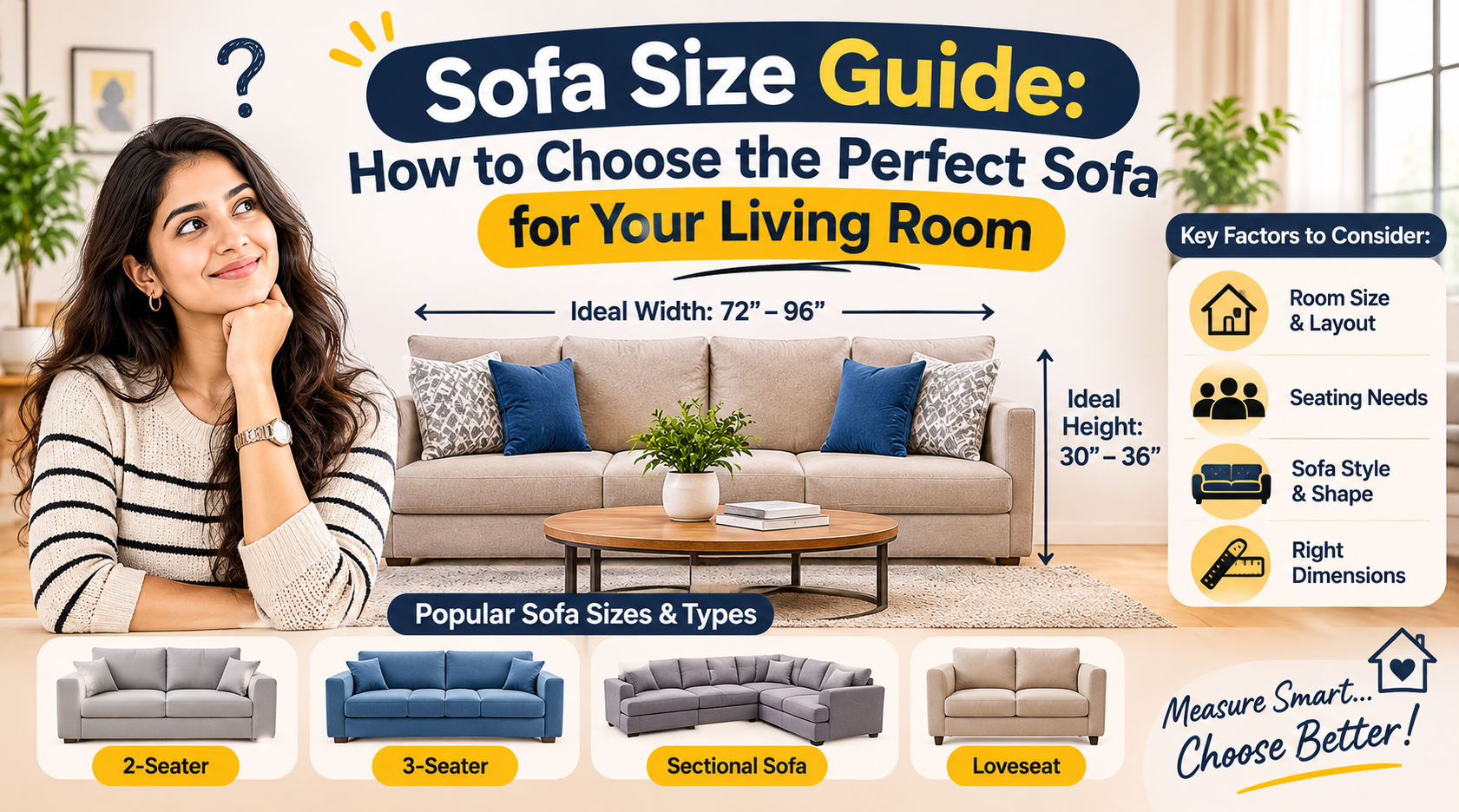
4. Choose the Right Sofa Size
Size is one of the most important
considerations when purchasing modular sofa designs. The sofa should provide
enough seating without making the room feel crowded.
For smaller apartments, a compact
two-seater arrangement or a limited L-shaped configuration may be suitable.
Medium-sized living rooms can accommodate a three-seater combination with an
additional corner or chaise section. Larger rooms offer more freedom to
experiment with U-shaped or extended arrangements.
Do not forget to consider the depth
and height of each seating module. A sofa with deep seats may provide a relaxed
lounging experience, but it can take up more floor space.
The best approach is to compare the
complete sofa dimensions with your room measurements before making a purchase.
5. Select a Fabric That Matches Your Lifestyle
The upholstery material influences the
appearance, comfort and maintenance requirements of your sofa.
When comparing modular sofa designs,
consider how frequently the sofa will be used and who will use it.
Popular upholstery options include:
●
Cotton blends: Offer a
comfortable and familiar fabric texture.
●
Polyester: Often selected for
its practical everyday use and variety of finishes.
●
Velvet: Creates a rich and
elegant appearance.
●
Linen blends: Provide a
relaxed, natural-looking finish.
●
Leather: Offers a distinctive
appearance and can be suitable for interiors that benefit from its smooth
finish.
If you have children or pets, consider
fabrics that are easier to clean and maintain. Ask about cleaning instructions,
fabric durability and available upholstery choices before purchasing.
6. Focus on Cushion Comfort and Support
A sofa should look attractive, but it
should also provide comfortable support. The quality of its cushions affects
how the sofa feels during everyday use.
When evaluating modular sofa designs,
check the cushion filling, firmness and seat depth.
Some homeowners prefer soft cushions
that allow them to sink into the sofa, while others prefer firmer seating that
provides more support. Neither option is universally better. Your choice should
depend on your sitting habits and comfort preferences.
Also examine the back cushions and
armrests. Properly designed back support can make a difference when sitting for
extended periods.
If possible, test the sofa before
purchasing it.
7. Match the Sofa with Your Interior Style
The sofa should complement the overall
appearance of your home. Consider your wall colours, flooring, curtains,
lighting and existing furniture before choosing a design.
For contemporary interiors, simple
shapes and neutral upholstery can create a balanced appearance. Homes with
traditional elements may benefit from richer colours, textured fabrics and
decorative details.
Many modular sofa designs are
available in different upholstery colours and finishes, allowing homeowners to
coordinate the sofa with their preferred interior theme.
You can also use cushions, throws and
rugs to introduce additional colours without changing the main sofa upholstery.
8. Check the Frame and Construction Quality
The internal frame plays an important
role in the durability of a sofa. A visually attractive sofa may not provide
long-term value if its structure is poorly constructed.
Before selecting modular sofa designs,
ask about the frame material, joint construction and overall build quality.
Check whether the modules connect
securely and remain stable when people sit on them. The connecting mechanism
should make it possible to rearrange the sofa without creating unnecessary gaps
or movement.
Also ask about the manufacturer's
warranty and after-sales support. These details help you understand the level
of service available after purchase.
9. Consider Flexibility for Future Needs
Your furniture requirements may change
over time. You may move to a larger home, rearrange your living room or need
additional seating when your family grows.
This is where modular sofa designs can
be particularly useful. Depending on the manufacturer's system, you may be able
to add seating units, change the configuration or separate sections for
different purposes.
Before buying, check whether
additional modules can be purchased later and whether the existing sofa system
supports different arrangements.
This makes it easier to plan a
purchase that can adapt to future requirements.
10. Avoid These Common Buying Mistakes
Even attractive furniture may not be
the right choice if important details are overlooked.
Avoid these common mistakes when
shopping for a sofa:
- Ignoring measurements: Always measure your room and access
points. - Choosing
appearance over comfort: Test the seating before deciding. - Overlooking
fabric maintenance: Select upholstery according to your lifestyle. - Not
checking module connections: Make sure the sections remain secure. - Selecting
an unsuitable configuration: Consider how people use the living room. - Ignoring
delivery access: Check whether the individual sections can enter through
your doors and stairways. - Not asking about warranties: Understand the coverage for the
frame, cushions and upholstery.
Taking time to check these details can
help you make a more informed furniture purchase.
11. Why Choose Modular Sofas for Modern Indian Homes?
Indian homes have different layouts,
from compact city apartments to spacious independent houses. Furniture needs to
accommodate these differences while supporting everyday family activities.
Well-planned modular sofa designs
offer flexibility for homes where available space and seating requirements may
change. They can also help create separate zones in open-plan living and dining
areas.
For example, an L-shaped arrangement
can define a television viewing area, while a straight configuration can work
well in a smaller formal sitting room.
The ability to select different
modules, fabrics and finishes makes modular sofas a useful option for
homeowners who want furniture that reflects their personal preferences.
12. How to Choose the Right Modular Sofa from Altron Sofa
Selecting the right sofa involves more
than choosing a colour or configuration. You should consider room dimensions,
seating capacity, upholstery, cushion comfort and construction quality
together.
When exploring modular sofa designs,
identify your main requirements first. Decide how many people will regularly
use the sofa, whether you need a chaise lounge and how much space you can
allocate.
At Altron Sofa, homeowners can explore
sofa options that complement different interior preferences and living spaces.
Discuss your requirements, compare available materials and understand the
customisation possibilities before making your decision.
A carefully selected sofa can become a
practical and attractive part of your home for years.
Conclusion
A modular sofa offers flexibility,
comfort and a wide range of arrangement possibilities. From compact straight
configurations to spacious L-shaped and U-shaped layouts, there are options for
different home sizes and lifestyles.
The right modular sofa designs should
match your room dimensions, seating requirements, preferred upholstery and
interior style. It is equally important to check the frame, cushion support,
module connections and maintenance requirements.
Instead of choosing a sofa based only
on appearance, take time to evaluate how it will fit into your everyday
routine. With proper planning, you can select a sofa that makes your living
room more comfortable, functional and welcoming.
Explore suitable sofa options at
Altron Sofa and find a configuration that complements your home.
Frequently Asked Questions
1. What are modular sofas?
Modular sofas are made from separate
seating sections that can be connected and arranged in different
configurations.
2. Are modular sofas suitable for
small living rooms?
Yes. Compact configurations can work
well in smaller living rooms when the dimensions are planned carefully.
3. Can modular sofas be rearranged?
Many modular sofas allow individual
sections to be repositioned. The available flexibility depends on the model and
connecting system.
4. Which modular sofa configuration is
best for families?
L-shaped and U-shaped configurations
can provide generous seating for families, depending on the available room
size.
5. What should I check before buying a
modular sofa?
Check the dimensions, frame
construction, cushion comfort, upholstery, module connections, warranty and
delivery access.