A sofa is often the centrepiece of a
living room. It influences how the space looks, how comfortably people can sit
and how easily everyone can move around. However, choosing a sofa based only on
its appearance can lead to problems. A large sofa may overwhelm a compact room,
while a small sofa may look out of place in a spacious living area.
That is why using a sofa size guide
before purchasing furniture is so important. Understanding sofa dimensions
helps you choose seating that fits your room, supports your lifestyle and
complements your interior design.
Every home has different requirements.
An apartment may need a compact two-seater, while a large family home may
benefit from a spacious sectional sofa. The ideal size depends on your
available floor area, the number of people using the sofa and the arrangement
of other furniture.
This sofa size guide explains common
sofa dimensions, room measurements, seating options and practical tips to help
you make the right decision.
1. Measure Your Living Room Before Shopping
The first step in any sofa size guide
is measuring the space where the sofa will be placed. Never assume that a sofa
will fit simply because it looks suitable in a showroom.
Measure the length and width of your
living room. Then identify the area available for the sofa, keeping other
furniture and walking paths in mind.
Remember to measure:
●
The wall or floor area where
the sofa will stand
●
The distance between the sofa
and television unit
●
The space needed for a coffee
table
●
Doorways and entrances
●
Passageways leading to other
rooms
●
Windows, cupboards and other
fixed features
It is also important to measure the
sofa's delivery route. A sofa may fit inside your living room but fail to pass
through a narrow entrance or staircase.
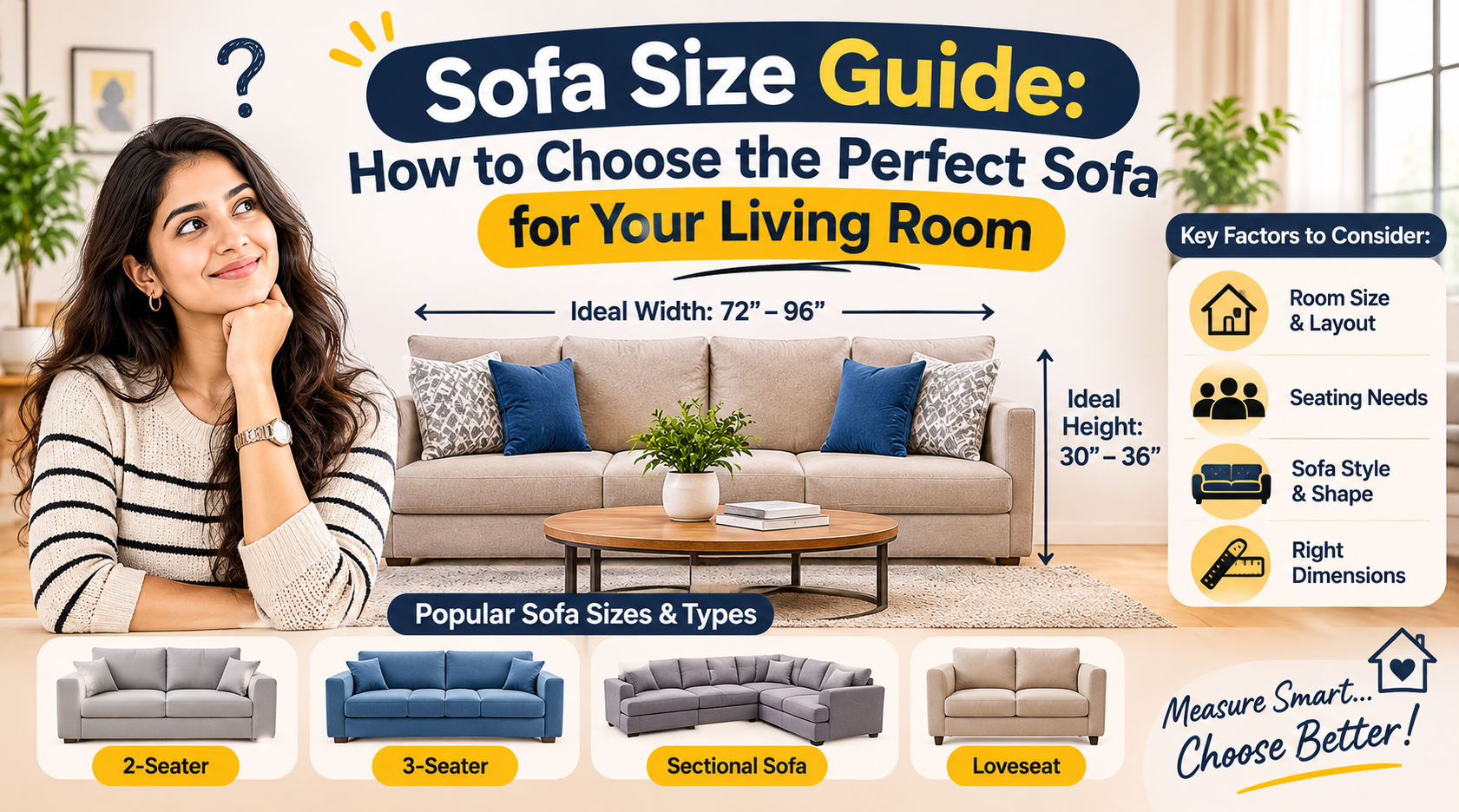
2. Understand Common Sofa Sizes
Sofas are available in different
widths, depths and heights. The actual dimensions vary by manufacturer and
design, so always check the product specifications.
The following general descriptions can
help you understand common seating options.
One-Seater Sofa
A one-seater sofa, often called an
armchair, is designed for one person. It can be used as additional seating in a
living room, bedroom or reading corner.
It is a useful choice when you want to
add seating without purchasing a large sofa.
Two-Seater Sofa
A two-seater sofa is suitable for
couples, smaller families and compact living rooms. It provides seating for two
people while leaving more floor space available for other furniture.
It can also be paired with accent
chairs to create a balanced seating arrangement.
Three-Seater Sofa
A three-seater sofa is a popular
option for family living rooms. It offers more seating than a two-seater and
can serve as the main seating unit in a medium-sized room.
Before selecting one, compare its
overall width and depth with your available space.
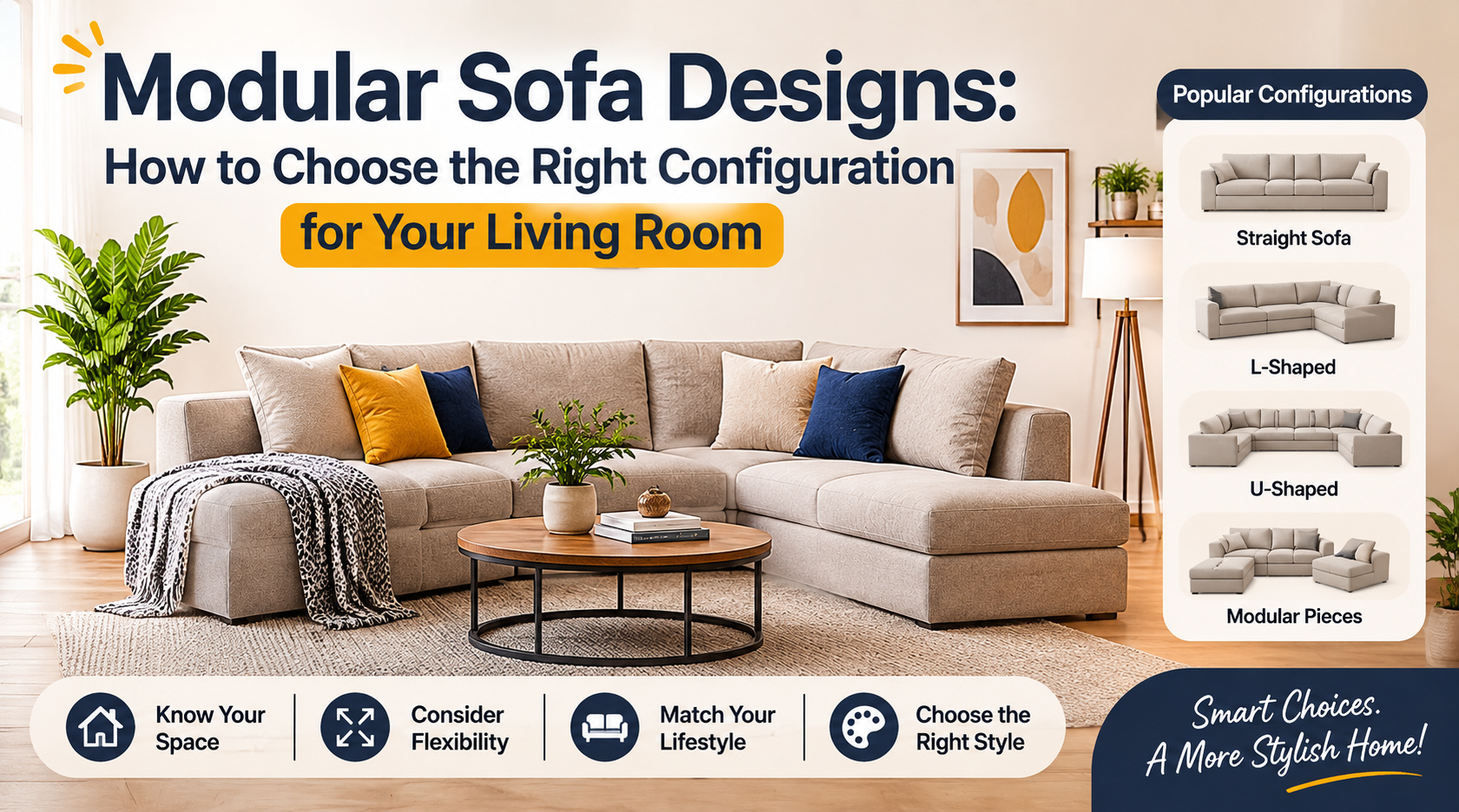
L-Shaped Sofa
An L-shaped sofa provides seating
along two connected sides. It can make effective use of a corner and is
suitable for families who need additional seating.
It is particularly useful in open-plan
living spaces, provided the room has enough space for the extended section.
3. Choose a Sofa According to Room Size
One of the most useful lessons in a
sofa size guide is that the sofa should be proportionate to the room.
Small Living Rooms
Compact living rooms usually benefit
from two-seater sofas, apartment-sized three-seaters or carefully selected
accent chairs.
Choose designs with a visually light
appearance and avoid unnecessarily deep or bulky structures. Leaving enough
open floor space can make a small room feel more comfortable.
Medium-Sized Living Rooms
Medium-sized rooms offer more
flexibility. A three-seater sofa with an additional chair or a compact L-shaped
sofa may be suitable.
Consider how people will enter the
room and move between the seating area and other furniture.
Large Living Rooms
Larger spaces can accommodate bigger
seating arrangements, including sectional sofas and multiple seating units.
However, do not leave the sofa
floating without a clear arrangement. Use rugs, tables and complementary
furniture to create a well-defined seating area.
4. Check Sofa Depth and Seat Height
Width is not the only dimension that
matters. Seat depth and height influence how comfortable a sofa feels.
Seat depth affects how far back you
sit. Deeper seats may suit people who enjoy relaxing or stretching out, while
shallower seats can be more convenient for upright sitting.
Seat height affects how easily people
can sit down and stand up. A seat that is too low or too high may not feel
comfortable for everyone.
When following a sofa size guide,
remember to check the usable seating area rather than relying only on the
sofa's overall external dimensions.
5. Leave Enough Walking Space
A living room should not feel crowded
after the sofa is installed. People need enough room to walk around, reach
other furniture and use doors comfortably.
Leave practical clearance around the
sofa and avoid blocking important pathways. The exact space required depends on
the room layout and the furniture involved.
If you are placing a coffee table in
front of the sofa, make sure people can sit down and get up without difficulty.
Similarly, consider the distance between the sofa and television when planning
the layout.
A good sofa size guide should help you
think about how the entire room functions, not just where the sofa fits.
6. Consider the Number of People in Your Home
Your seating requirements depend on
how many people regularly use the living room.
A couple may find a two-seater or
compact three-seater sufficient. A family with children may prefer a larger
sofa with additional seating. Homes that frequently welcome guests may benefit
from a sectional arrangement or a combination of a main sofa and accent chairs.
Also think about how your family uses
the sofa. Do people sit upright to talk, or do they prefer stretching out to
watch television? These habits influence the best configuration.
Use this sofa size guide to consider
both the number of seats and the amount of personal space each person needs.
7. Match the Sofa Shape to Your Room Layout
The shape of the sofa should work with
the structure of the room.
A straight sofa can be positioned
against a wall, making it a practical choice for narrow rooms. An L-shaped sofa
can fit into a corner and create a natural seating zone. A sectional
arrangement may work well in a larger open-plan living area.
Before purchasing, consider the
location of the television, windows, doors and other fixed features. Think
about whether the sofa should face a television unit, a window or the centre of
the room.
A useful sofa size guide helps you
choose a shape that supports the way you use your living space.
8. Think About Other Furniture
A sofa rarely sits alone. It is
usually surrounded by coffee tables, side tables, television units, rugs and
accent chairs.
When choosing a sofa, consider the
dimensions of these items as well. A large coffee table may reduce the
available walking space, while oversized side tables can make the seating area
feel crowded.
If you already own furniture, measure
it before selecting the sofa. If you are furnishing a new home, plan the
complete layout before buying individual pieces.
This sofa size guide approach can help
prevent mismatched furniture proportions and unnecessary changes later.
9. Check the Sofa's Overall Height and Back Design
The sofa's height can influence the
visual balance of your living room. A high-back sofa may create a more
prominent appearance, while a low-back design can make a room feel more open.
Also consider nearby windows, wall
decorations and shelves. A sofa that is too tall may cover part of a window or
interfere with the arrangement of wall-mounted artwork.
When comparing options, look at the
sofa from different angles and consider how its shape will relate to the rest
of your interior.
10. Plan for Delivery and Installation
A common buying mistake is checking
only the room dimensions. The sofa must also pass through the route between
your home's entrance and the final seating area.
Measure the main entrance, internal
doors, corridors, staircases and lift openings. Check whether the sofa comes in
separate sections or has removable legs.
For larger furniture, ask the seller
about delivery requirements before placing your order. This is especially
important for apartments with narrow staircases or limited lift access.
Including delivery measurements in
your sofa size guide checklist can prevent unexpected installation problems.
11. Avoid Common Sofa Size Mistakes
Even a beautiful sofa may not be
suitable if its dimensions do not match your home.
Avoid these common mistakes:
- Not measuring the room: Always record the available floor space
before shopping. - Ignoring
sofa depth: A sofa may have the right width but still take up too much
room. - Forgetting
walking paths: Keep enough clearance for everyday movement. - Choosing
too many seats: More seating is not always better if the room becomes
crowded. - Ignoring
other furniture: Plan the sofa around coffee tables, television units and
chairs. - Overlooking
delivery access: Check entrances and staircases before ordering. - Relying on showroom appearance: Compare the actual product
dimensions with your home measurements.
Following a sofa size guide and
checking these details can make furniture shopping more straightforward.
12. Choose the Right Sofa with Altron Sofa
Finding the right sofa involves
balancing comfort, design and available space. Start by identifying your room
measurements and seating requirements. Then compare sofa configurations,
upholstery choices, cushion comfort and construction details.
At Altron Sofa, homeowners can explore
sofa options for different living spaces and interior preferences. Whether you
are furnishing a compact apartment or planning a spacious family living room,
discuss your requirements before selecting a design.
Use this sofa size guide as a starting
point when comparing available options. Ask about the exact dimensions,
customisation possibilities, materials and delivery arrangements so you can
make an informed decision.
Conclusion
Choosing the right sofa size can
improve the comfort, appearance and functionality of your living room. The
ideal sofa should provide enough seating while allowing people to move around
easily.
Measure your room, check sofa width
and depth, consider seat height and plan for the other furniture in your space.
Remember to check the delivery route and compare the complete dimensions before
placing an order.
A carefully followed sofa size guide
can help you avoid common purchasing mistakes and select furniture that suits
your home and lifestyle.
Explore sofa options at Altron Sofa
and find a design that fits your living room beautifully.