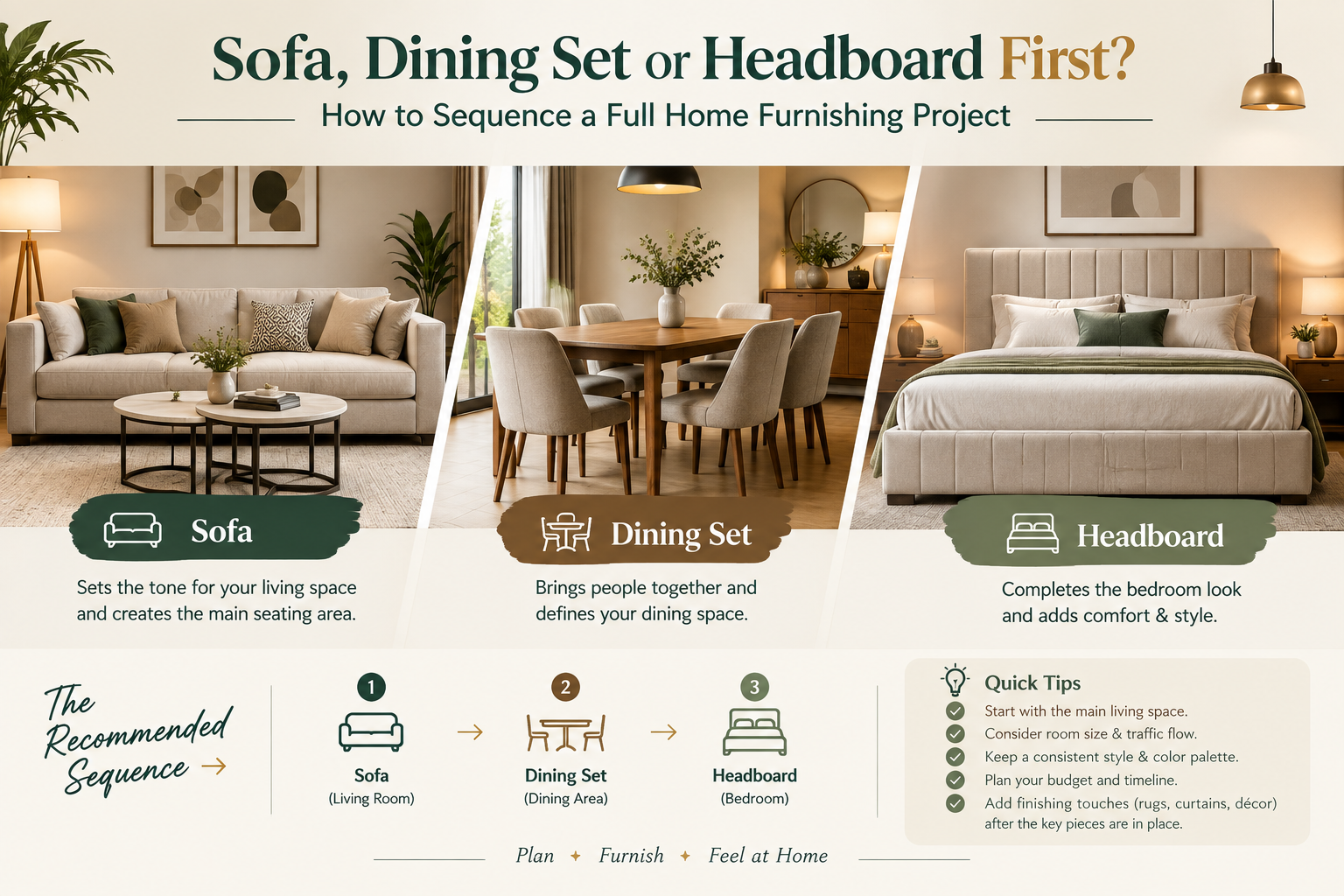
Why Sequence Matters More Than People Think
Most furnishing mistakes don't come from picking an ugly
piece — they come from picking pieces independently, in the wrong order,
without a shared reference point. A striking headboard chosen first can make
your living room sofa feel like an afterthought. A dining set bought in
isolation can end up clashing with a sofa you fall in love with two months
later. Sequencing prevents this by giving every later decision a foundation to
build from.
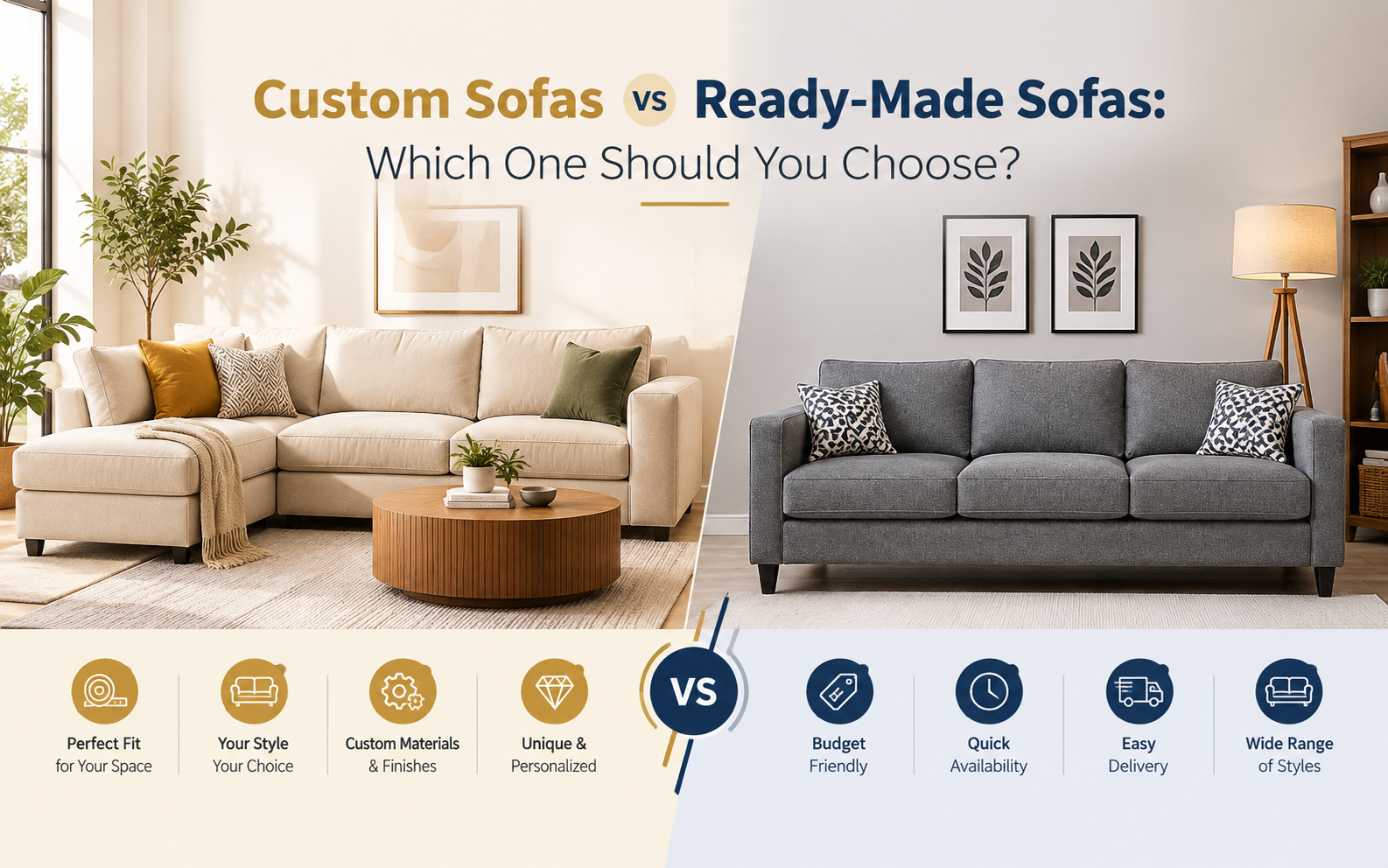
Step 1: Start With the Sofa
Your living room sofa is usually the largest, most visually
dominant piece in the home, and the one guests actually sit on and judge the
space by. It sets the tone for everything else — leather type, colour family,
arm style, leg finish, stitching detail.
Decisions to lock in at this stage:
- Leather
colour and grain (this becomes your home's anchor tone) - Overall
style — classic stationary, sculpted motion, or a lounge-style day bed - Wood
tone for legs and frame trims - Stitching
style: minimal, contrast piping, channel-tufted
Once this is settled, every other room can take cues from it
— even if the specific material changes from room to room — rather than
competing for attention.
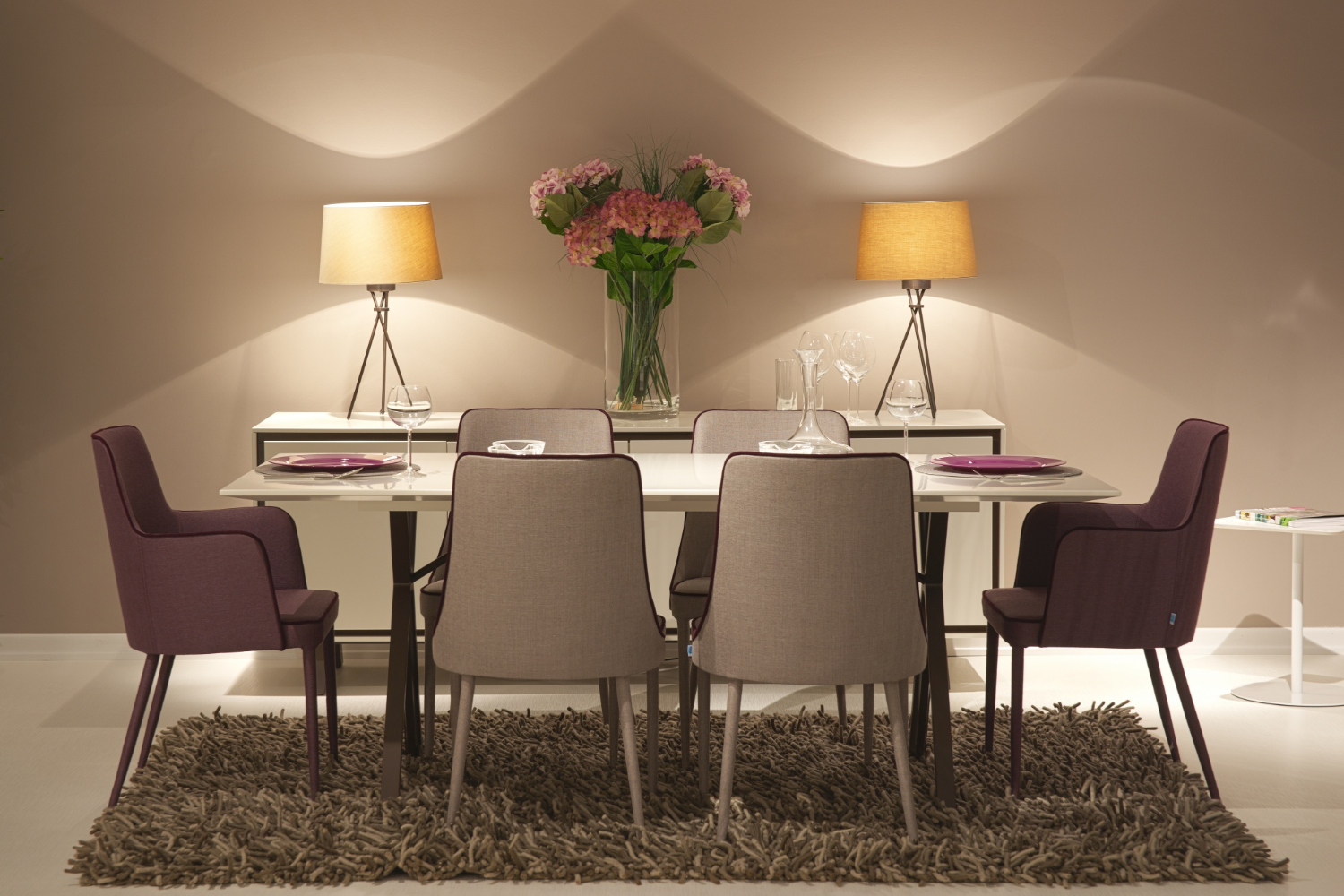
Step 2: Move to the Dining Set
Your dining set doesn't need to match the sofa exactly, but
it should feel like it belongs in the same home. Think of it as "related,
not identical."
How to keep it cohesive:
- If
your sofa leans warm and classic (tan or cognac leather, dark wood legs),
choose dining chairs with a similar wood tone or a complementary leather
shade rather than a stark modern contrast. - If
your sofa is sleek and contemporary (charcoal or black leather, metal
legs), a heavier, ornately carved dining set will feel out of place. - Match
metal finishes where visible — if your sofa has brushed brass legs, avoid
chrome dining chair frames in the same sightline.
Practical sizing considerations:
- Match
seating count to actual usage, not aspiration — a 6-seater for daily
family meals behaves very differently from an 8-seater bought mainly for
occasional gatherings. - Measure
clearance around the table for chairs to pull out fully, especially in
open-plan layouts where the dining area sits close to the living room. - Consider
table shape against room proportions — long rectangular tables suit long
rooms; round or oval tables work better in more square-shaped dining
areas.
Step 3: Finish With the Headboard
Bedrooms are more private and personal, which gives you the
most creative freedom in the entire home. A headboard can either pick up an
accent tone from the living room for subtle continuity, or go in a completely
different direction — since it's rarely seen by guests, this is where many
homeowners feel comfortable being bolder.
Where you can experiment more:
- Tufted
or channel-stitched textures that would feel too busy in a living room - Bolder
or deeper leather/fabric tones reserved for a more private space - Statement
shapes — arched, wingback-style or oversized headboards
Where continuity still helps:
- Keeping
the same leather supplier or quality tier as the rest of the home for a
consistent feel - Matching
wood tones with bedroom furniture already in place (wardrobes, side
tables)
A Simple Sequencing Checklist
- Confirm
the sofa's leather colour, style and wood tone first — this is your
anchor. - Choose
the dining set within the same colour family or a complementary contrast. - Decide
seating count and table shape based on actual usage, not just room size. - Move
to the headboard last, using it as your space for personal expression. - Revisit
accent pieces (armchairs, puffees) only after the three anchor pieces are
finalised.
Why This Also Helps With Timelines
Because each piece is custom-made — sized, stitched and
finished to your specifications — sequencing your decisions also helps
craftsmen plan production efficiently, rather than juggling last-minute changes
across multiple rooms simultaneously. A staged decision-making process,
communicated clearly to your furniture partner, generally results in smoother
delivery timelines for a multi-room project.
Frequently Asked Questions
Do all the pieces in my home need to match exactly?
No — cohesion doesn't mean uniformity. Related tones, complementary wood
finishes, and a consistent quality tier are enough to make a home feel
intentional.